

Benefits of Virtual Tourism for Eco-Friendly Travel
Author
Elisha Roodt
Date Published
The Rise of Virtual Tourism
The world is witnessing a transformation in how we explore, discover, and appreciate its wonders. Virtual tourism is emerging as a dynamic and sustainable alternative to traditional travel, enabling people to experience the marvels of our planet from the comfort of their homes. Platforms like Google Earth VR, AirPano, and National Geographic's VR experiences offer users immersive journeys to iconic locations around the globe, providing a vivid sense of presence without the need for physical travel. This shift has been driven by a growing desire for sustainability and the urgent need to reduce our carbon footprints. Rather than boarding a plane, we can now immerse ourselves in foreign cultures, breathtaking landscapes, and rich historical sites—all while making an eco-conscious choice.
Sustainability is more than a buzzword; it is a powerful force behind the growing popularity of virtual tourism. With travelers becoming increasingly aware of the environmental toll of traditional tourism, many are seeking alternatives that align with their values. Virtual tourism not only satisfies the urge to explore but also does so responsibly, ushering in a new era of borderless travel. This evolution is changing the very essence of what it means to travel, bringing us closer to the world without the physical movement that has traditionally defined tourism. By embracing virtual experiences, we can explore guilt-free, knowing we are minimizing our environmental impact.
Environmental Impact of Traditional Tourism
Traditional tourism, while enriching and culturally rewarding, comes at a significant environmental cost. Air travel alone accounts for a substantial share of global carbon emissions, with each long-haul flight emitting tons of carbon dioxide into the atmosphere. According to a 2020 study by the International Council on Clean Transportation (ICCT), commercial aviation was responsible for 918 million metric tons of CO2 emissions globally, representing about 2.5% of total global emissions. These staggering numbers underscore the need for more sustainable travel alternatives. As millions of people take to the skies each year, the cumulative impact of these emissions becomes a significant driver of climate change, rendering traditional travel increasingly unsustainable.
Over-tourism exacerbates the strain on fragile ecosystems. Popular destinations such as coral reefs, national parks, and historic cities suffer from an overwhelming influx of visitors, leading to habitat degradation, erosion, and cultural damage. The unintended consequences of over-tourism can be devastating and often irreversible, jeopardizing the very natural and cultural wonders that attract visitors in the first place. When fragile areas are overwhelmed, the damage extends beyond aesthetics—biodiversity is compromised, and cultural heritage is threatened.
In addition to emissions and ecosystem strain, tourism also contributes to resource depletion and pollution. Water resources are heavily utilized, waste management systems are strained, and local communities often bear the negative consequences of tourism's ecological footprint. The hidden costs of mass tourism extend beyond the tourist experience itself. We seldom witness the overflowing landfills, overburdened infrastructure, or polluted natural sites resulting from unchecked tourism. These impacts emphasize the necessity of exploring new, more sustainable approaches to experiencing the world.

Virtual Tourism as an Eco-Friendly Solution
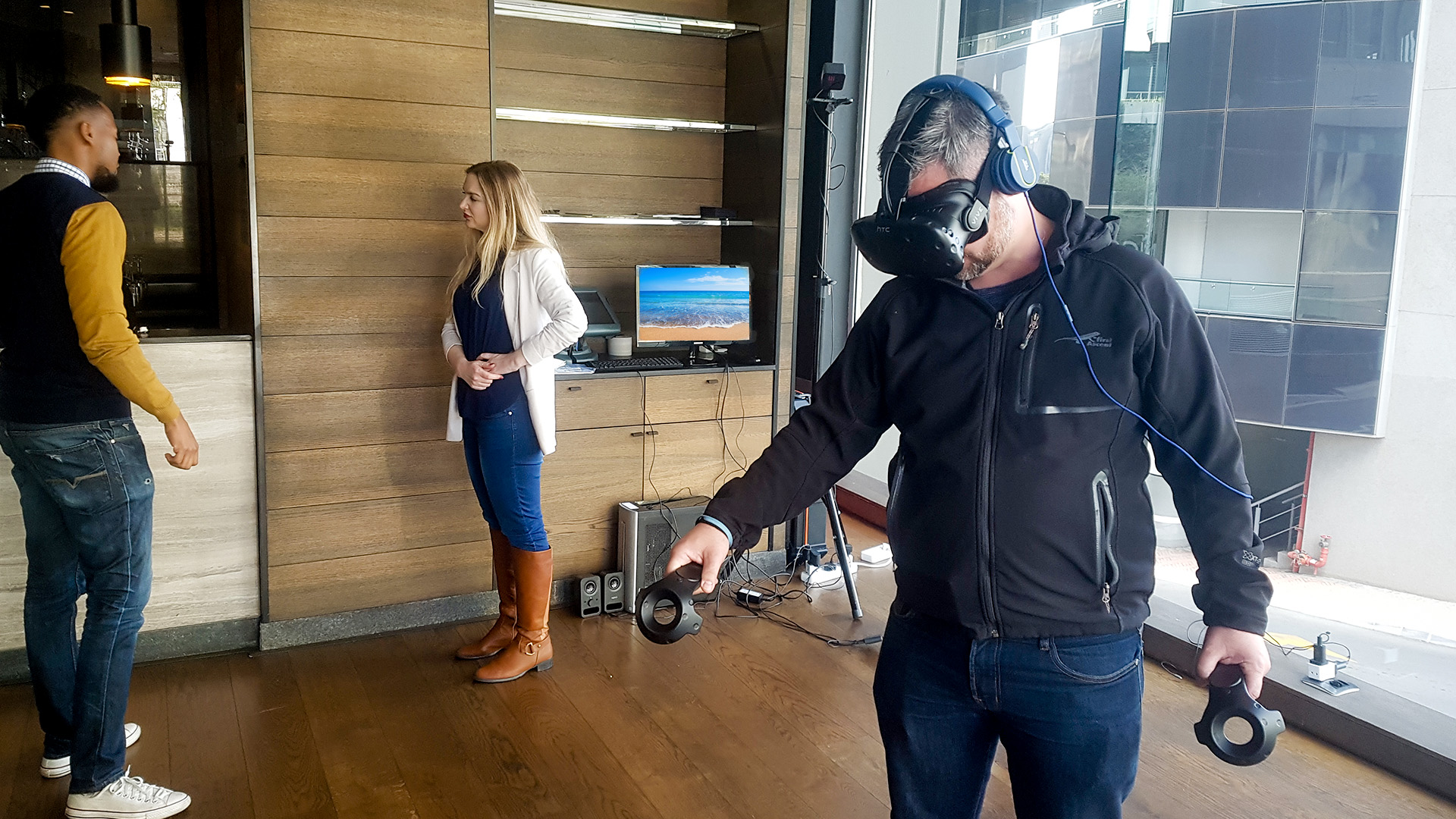
Virtual tourism offers an eco-friendly alternative by leveraging advanced technologies to recreate the experience of travel without the environmental costs associated with physical journeys. With immersive virtual reality (VR) headsets and 360-degree videos, individuals can experience new destinations as if they were physically present—while remaining environmentally conscious. The immersive nature of these experiences can evoke the same sense of wonder and excitement as physical travel, without leaving behind a damaging carbon footprint.
The benefits of virtual exploration in reducing our collective carbon footprint are substantial. By opting for virtual experiences instead of physically traveling to far-flung destinations, individuals contribute to a reduction in global greenhouse gas emissions. While these contributions may seem minor on an individual scale, they accumulate to create a significant positive impact. Virtual tourism thus serves as a powerful tool in mitigating climate change, helping to reduce the demand for one of the largest contributors to carbon emissions—air travel.
Virtual tourism helps alleviate the pressure on endangered sites. Iconic landmarks and natural wonders, already struggling with the effects of over-tourism, can benefit significantly from reduced foot traffic. Virtual visits allow these sites to be appreciated in all their beauty without compromising their integrity. For instance, Machu Picchu has benefited from reduced tourism, as virtual experiences have helped lessen the physical strain on this ancient site while still allowing people to explore its rich history digitally. Preserving these places is essential for maintaining biodiversity and cultural heritage, and virtual tourism provides a practical solution for safeguarding them for future generations to enjoy.
Technological Innovations Enabling Virtual Tourism
The rise of virtual tourism is underpinned by technological advancements that have made it increasingly immersive and accessible. Virtual reality headsets allow users to be fully enveloped by a destination's sights and sounds, creating an experience that feels authentic even from thousands of miles away. These innovations are not just remarkable—they are critical in positioning virtual tourism as an appealing alternative to traditional travel.
Augmented reality (AR) further enhances virtual travel by overlaying digital elements onto real-world environments. This technology brings storytelling to life, allowing users to interact with the history, culture, and essence of a place more profoundly. Imagine standing in your living room while a historical re-enactment unfolds before you in vivid, augmented detail. AR provides layers of information and engagement that enrich the experience, transforming virtual journeys into impactful and memorable adventures.
Advances in streaming quality and internet connectivity have also played a pivotal role in making virtual tourism accessible to the masses. High-speed internet, coupled with improved streaming capabilities, enables more people to enjoy these digital experiences, expanding the reach and potential of virtual travel. Streaming platforms now offer 4K and even 8K video, contributing to a heightened sense of immersion. The widespread availability of these technologies has democratized access to travel experiences, allowing individuals from all walks of life to explore the wonders of the world.

Benefits of Virtual Tourism Beyond the Environment
The advantages of virtual tourism extend beyond environmental protection. Affordability is a major benefit; unlike traditional travel, which can be cost-prohibitive, virtual tourism is accessible to nearly anyone with an internet connection. This democratization of travel opens the world to those who may not have the means or opportunity to visit distant destinations. Virtual tourism fosters inclusivity, enabling people from diverse socioeconomic backgrounds to participate in the exploration of the globe.
Virtual tourism also plays a vital role in preserving cultural heritage. Many historical sites are vulnerable to the effects of time, climate change, or human interference. By digitizing these treasures, virtual tourism ensures that future generations can continue to experience and appreciate them—even if the physical locations face deterioration. For example, the ancient city of Pompeii has been digitally preserved, allowing virtual tourists to explore its ruins and learn about its history without contributing to further wear and tear. Digital preservation is crucial for safeguarding our shared history and cultural identity, allowing people from across the globe to learn about and respect different cultures without contributing to their decline.
Education is another significant benefit of virtual tourism. Virtual travel provides an interactive platform for learners of all ages to explore the world. Schools, universities, and educational institutions can use virtual experiences to deepen understanding and foster stronger connections to global cultures, ecosystems, and historical events—all without leaving the classroom. Picture a student studying marine biology being able to virtually dive into the Great Barrier Reef or a history student taking a tour of ancient Rome. These virtual experiences bring learning to life, providing context and engagement that textbooks alone cannot achieve.
Challenges and Opportunities for Virtual Tourism
Despite its numerous benefits, virtual tourism does face challenges. Not everyone has access to cutting-edge technology, such as VR headsets or high-speed internet, limiting the reach of these experiences. Bridging this technological divide is essential to ensure that the benefits of virtual tourism are accessible to all. Governments, non-profits, and private companies can play a key role in making this technology more affordable and widespread, ensuring that people from various walks of life can share in the advantages of virtual travel.
Opportunities for collaboration between technology companies and the tourism industry abound. By working together, these sectors can create even more compelling and authentic experiences that appeal to a wider audience. Partnerships could focus on enriching virtual travel experiences, making them more interactive and reflective of real-world wonders. The tourism industry stands to gain from technological expertise, while technology companies can leverage the rich storytelling potential of travel, creating mutually beneficial scenarios that foster innovation.
One of the core challenges of virtual tourism is fostering emotional connections. Current technologies, such as haptic feedback devices, advanced audio systems, and even scent technologies, are attempting to address this challenge by making virtual experiences more multisensory. These innovations aim to simulate physical sensations, allowing users to feel more immersed and emotionally connected to their virtual journeys. The sensory experiences of traditional travel—such as feeling the ocean breeze, tasting local cuisine, or hearing the vibrant sounds of a new city—are difficult to replicate virtually. However, technological advancements hold promise for overcoming these challenges. Haptic feedback devices, advanced audio systems, and even scent technologies are being developed to make virtual experiences more multisensory. These innovations could help bridge the gap between virtual and physical experiences, enabling deeper emotional connections and making virtual travel more fulfilling.

A Vision for the Future of Sustainable Travel
Virtual tourism is not intended to replace traditional travel entirely; rather, it should be viewed as part of a hybrid travel future that balances physical and digital exploration. By embracing virtual experiences, we can make more thoughtful decisions about when and where we travel, ultimately reducing the burden we place on our planet. This hybrid approach enables us to save our physical travels for experiences that truly require our presence, while exploring other destinations virtually.
Incorporating virtual tourism into our travel habits is a step toward a more sustainable future. As travelers, we bear a responsibility to minimize our environmental impact on the world we cherish. By choosing virtual alternatives where feasible, we can help preserve the planet's beauty for generations to come. Virtual tourism allows us to satisfy our curiosity and wanderlust in a manner that aligns with our values, offering a meaningful response to the challenges of sustainable travel.
Imagine a greener planet where the wonders of the world can be experienced by all, without the detrimental environmental consequences. Virtual tourism offers a glimpse into that future—an era of exploration that is limitless, inclusive, and, most importantly, kind to our Earth. With continued innovation and widespread adoption, virtual tourism has the potential to transform how we connect with the world, fostering a culture of responsible and conscious travel that benefits both people and the planet. This vision of sustainable travel is not only achievable but within reach, provided we embrace the opportunities that technology offers.