

From Souvenirs to Simulations
Author
Elisha Roodt
Date Published
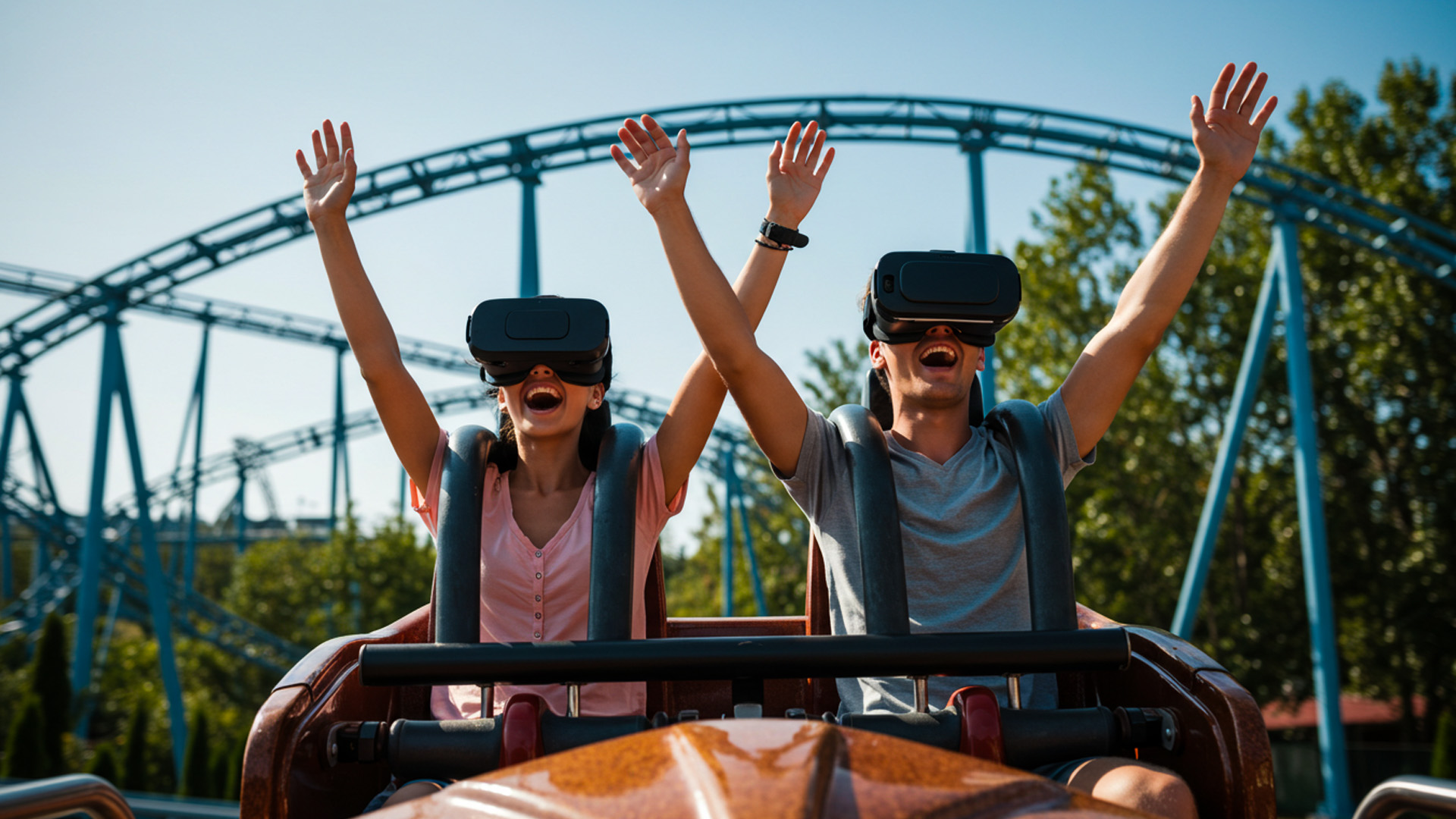
Revolutionizing Journeys with Virtual Reality Tourism Insights
Virtual reality is not merely a technological trend—it is a transformative force redefining travel in a world where digital and physical realities intertwine. As VR platforms enable immersive experiences that transcend geographic limitations, travelers now embark on adventures that are as intellectually engaging as they are visually stunning. The confluence of cutting‐edge hardware, sophisticated software, and data analytics creates tailored, interactive journeys that replicate, enhance, or even surpass conventional travel experiences. Imagine standing before the ruins of an ancient civilization or strolling along a bustling modern metropolis—all from the comfort of your home. This new age of tourism offers dynamic simulations where historical narratives, cultural nuances, and personalized itineraries merge seamlessly.
The Evolution of Tourism Through Virtual Reality
The Digital Revolution and Tourist Experiences
The digital revolution has dramatically redefined tourist experiences by dismantling physical boundaries and democratizing access to global destinations. In the early days of tourism, souvenirs served as tangible mementos; today, immersive VR experiences offer living, breathing narratives that capture the spirit of a location. Visitors can now virtually traverse ancient pathways, experience local festivals, and witness breathtaking vistas in painstaking detail. This technological metamorphosis is not just about replicating reality; it creates an augmented dimension where historical events, cultural artistry, and modern innovation coalesce. By integrating interactive simulations with storytelling, VR transforms the way travelers perceive and engage with distant lands, turning passive observation into an active, participatory journey.
The progression from traditional travel memorabilia to interactive digital simulations illustrates an evolution in experiential tourism. Pioneering VR platforms blend meticulous research with immersive design to recreate environments that captivate the senses and spark curiosity. Enthusiasts of virtual travel find themselves enveloped in environments that mimic real-world textures, sounds, and atmospheres with remarkable fidelity. The journey is enriched by dynamic narratives, where every simulated street corner or historical monument tells a unique story, thereby reshaping our understanding of cultural heritage. This confluence of technology and tradition heralds a new era in tourism, one that is both reflective of our storied past and brimming with futuristic promise.
Bridging Distances with Virtual Destinations
Virtual reality bridges the vast expanses that once confined travelers to physical borders, offering an unprecedented window into global cultures. Through meticulously crafted simulations, VR transforms distant landscapes into accessible, navigable environments, enabling individuals to explore far-flung destinations without the constraints of time and expense. The immersive nature of VR facilitates a sense of presence that traditional media cannot match—each pixel, sound, and interactive element coalesces to form a cohesive travel narrative. By eliminating the barriers of distance, VR empowers travelers to engage with heritage sites, natural wonders, and urban landscapes in a manner that is both intimate and intellectually stimulating, fostering a deeper appreciation for diversity.
This digital bridge fosters a unique connection between users and faraway locales, allowing for a more inclusive exploration of global wonders. As virtual guides lead travelers through ancient ruins or modern metropolises, they unveil hidden details that often remain overlooked during conventional tours. The experience is akin to reading a richly illustrated travelogue, where every chapter unfolds with meticulous attention to detail. In this way, VR not only overcomes physical limitations but also enriches the travel experience by weaving interactive narratives with sensory precision, ultimately transforming distant fantasies into vivid, accessible realities.
Crafting Memories in a Digital Realm
Digital realms now serve as canvases for crafting memories that rival those of real-world adventures. Virtual reality tourism harnesses the power of interactive simulations to build narratives that resonate on an emotional level. As travelers engage with these digital landscapes, every simulated interaction—from exploring ancient temples to attending vibrant street festivals—becomes part of an indelible narrative tapestry. The immersive quality of VR allows users to experience events with such clarity that memories form as if they had been physically present. These carefully curated experiences offer a unique blend of art, technology, and storytelling that transcends traditional souvenir collection, evolving into a dynamic form of remembrance.
Within this innovative framework, virtual journeys become personalized sagas where each moment is meticulously orchestrated to evoke genuine emotion and reflection. Users navigate environments that are thoughtfully reconstructed to stimulate all senses, enhancing the retention of vivid experiences. The result is a collection of digital memories that carry the weight of real-life adventures, imbued with cultural and historical significance. By merging interactive technology with emotional storytelling, VR tourism invites travelers to not just see, but truly feel the essence of each destination, forging connections that persist long after the simulation ends.

Technological Innovations Powering VR Tourism
Cutting-Edge VR Hardware: A New Frontier
Advancements in VR hardware have ushered in a new frontier for immersive travel experiences, where every device becomes a portal to unexplored realms. Modern headsets, complete with high-resolution displays and spatial audio systems, facilitate an unparalleled sense of immersion that transforms virtual environments into lifelike landscapes. These devices, often integrated with sophisticated sensors and motion tracking capabilities, allow users to interact with digital worlds in ways that were once relegated to science fiction. The seamless integration of hardware and software in VR systems not only elevates visual realism but also provides tactile and auditory feedback, enriching the overall sensory experience of virtual tourism.
The evolution of VR hardware is driving an era of hyper-realistic simulations that captivate users with lifelike precision. Innovations in optics, ergonomics, and processing power have redefined what is possible in virtual travel, allowing devices to render intricate details and subtle nuances with astonishing clarity. These technical marvels enable experiences that mimic the spontaneity and dynamism of actual travel, where every head turn or gesture influences the unfolding narrative. As hardware becomes increasingly refined and accessible, the boundaries of immersive tourism continue to expand, offering travelers the chance to engage with destinations in a profoundly personal and transformative way.
Software and Simulations: The Engine Behind Immersive Journeys
Sophisticated software and simulation engines are the driving forces behind the realism of immersive travel experiences. These programs harness advanced algorithms and real-time rendering techniques to create digital landscapes that pulse with life. Meticulously coded environments replicate the intricacies of real-world settings—from the flutter of leaves in a gentle breeze to the subtle interplay of light and shadow on historic edifices. This technological artistry transforms mere computer graphics into vibrant, interactive canvases where every detail is carefully considered. Through continuous software updates and community-driven innovations, virtual travel platforms remain at the forefront of immersive narrative design, ensuring that every journey is as engaging as it is authentic.
At the heart of these immersive experiences lies a robust simulation architecture that brings static models to dynamic life. Developers employ complex programming frameworks and cutting-edge physics engines to mimic real-world phenomena, making every digital interaction feel tangible. These simulations are crafted with a blend of scientific precision and artistic flair, striking a balance between technical excellence and aesthetic beauty. By integrating user feedback and leveraging expansive datasets, software architects are able to create environments that not only look realistic but also respond intuitively to user interactions. This synergy between code and creativity is pivotal in elevating virtual tourism from a mere visual spectacle to a fully interactive, emotionally resonant experience.
The Role of AI and Data in Personalizing Experiences
Artificial intelligence and data analytics play a transformative role in customizing virtual tourism experiences, tailoring every journey to individual preferences. By analyzing user behavior and travel history, AI-driven platforms can curate personalized itineraries that resonate with each traveler’s unique interests. Machine learning algorithms continuously refine these recommendations, ensuring that every virtual tour is aligned with the evolving tastes and curiosities of its user. This intelligent personalization not only enhances engagement but also deepens the emotional connection between the traveler and the destination, creating bespoke experiences that feel both innovative and familiar. AI thereby serves as both a guide and a storyteller, weaving intricate narratives that adapt in real time.
The integration of data into VR tourism platforms offers an unprecedented level of customization, where every interaction informs a more tailored travel experience. Advanced analytics collect and interpret vast amounts of information—from user click patterns to engagement metrics—enabling a dynamic feedback loop that fine-tunes content delivery. This fusion of artificial intelligence with immersive technology ensures that the journey evolves organically with the user, capturing subtle shifts in interest and mood. By leveraging predictive modeling and adaptive algorithms, the VR experience transcends static simulations, morphing into a responsive, interactive environment that anticipates and caters to individual desires. The result is a travel narrative that is as unique as the traveler themselves, paving the way for a future of truly personalized tourism.

Cultural and Economic Impacts of VR on Travel
Redefining Cultural Engagement Through Virtual Journeys
Virtual reality is revolutionizing cultural engagement by offering dynamic and accessible ways to experience heritage sites and traditions. Through meticulously rendered digital environments, users can explore ancient landmarks, local festivities, and historical events with an intimacy that often eludes conventional travel. The immersive quality of VR brings cultural artifacts to life, allowing travelers to witness intricate details—from the delicate brushstrokes on ancient murals to the rhythmic cadence of traditional music—in a manner that feels both respectful and exhilarating. This innovative approach to cultural tourism transcends physical limitations, inviting a broader audience to engage with and appreciate diverse cultural narratives from any location.
As VR platforms bridge the gap between past and present, they facilitate a deeper understanding of cultural complexities and historical contexts. Users find themselves immersed in environments where every element—from architecture to ambient sounds—speaks volumes about a community's heritage and identity. This mode of digital exploration not only preserves cultural legacies but also reinvents them for a modern audience. By integrating interactive storytelling with historical accuracy, virtual journeys provide a nuanced perspective that celebrates both the beauty and the challenges of cultural evolution. In this way, VR serves as a powerful conduit for cultural appreciation, connecting global audiences with the rich tapestry of human history and tradition.
Economic Opportunities and Challenges in VR Tourism
The emergence of virtual tourism presents a complex economic landscape where innovation generates both significant opportunities and formidable challenges. On one hand, VR technology fosters new revenue streams for the travel industry by attracting digital tourists and offering premium virtual experiences. Enterprises invest in immersive simulations that showcase iconic destinations and exclusive events, thereby expanding market reach beyond traditional physical travel. This technological pivot not only generates ancillary income through virtual ticketing and digital merchandising but also spurs ancillary sectors such as software development, hardware manufacturing, and content creation. Economic benefits are coupled with increased accessibility and scalability, inviting a diverse demographic into the fold of experiential tourism.
Conversely, the rapid expansion of VR tourism poses challenges that ripple through traditional economic models. Local communities and heritage sites, once reliant on physical visitor spending, must now adapt to a paradigm where digital experiences may substitute in-person interactions. This shift necessitates innovative approaches to monetization and sustainable tourism practices that balance digital growth with cultural preservation. Moreover, the integration of VR into tourism raises questions about intellectual property, content monetization, and equitable access to technology. Stakeholders across the travel ecosystem are thus compelled to navigate a delicate interplay between technological advancement and economic inclusivity, ensuring that the digital revolution in tourism benefits both industry leaders and local communities alike.
Social Connectivity and Community Building in Virtual Spaces
Virtual tourism is redefining the social fabric of travel by fostering new avenues for connectivity and community building in digital environments. Through interactive VR platforms, travelers can connect with others from across the globe, sharing experiences and insights in real time. These platforms cultivate vibrant virtual communities where users discuss, debate, and celebrate the intricacies of cultural heritage and modern innovation. Social interactions in these digital realms are enriched by immersive elements that mimic face-to-face encounters, enabling nuanced conversations and collaborative explorations. In this way, VR transcends geographic constraints to create networks of shared experience, bridging cultural divides and cultivating a sense of global camaraderie that is both authentic and engaging.
As virtual spaces evolve, they are increasingly becoming hubs for collaborative learning and social exchange. Travelers not only experience destinations individually but also join group expeditions, virtual meet-ups, and interactive cultural events. These gatherings foster a spirit of collective discovery, where each participant contributes to a richer, more layered narrative of place and tradition. By blending interactive technology with social media elements, VR tourism creates an ecosystem where community-driven storytelling flourishes. The resulting digital networks serve as a testament to the enduring human desire for connection, reinforcing that even in a technologically mediated world, the bonds of shared experience remain a cornerstone of meaningful travel.

The Future of Tourism in a VR-Enhanced World
Forecasting Trends: What Lies Ahead for Virtual Travelers
As the frontier of virtual tourism expands, forecasting future trends reveals a horizon brimming with innovative possibilities and transformative shifts in travel behavior. Emerging technologies, such as haptic feedback and augmented sensory interfaces, promise to further blur the line between digital simulations and real-world experiences. Industry experts predict that VR will continue to evolve into a fully integrated component of the travel ecosystem, with hybrid models that blend in-person and virtual experiences seamlessly. The rapid pace of technological innovation is set to redefine travel itineraries, making them increasingly interactive, adaptive, and personalized. This forward-looking approach is driven by an intricate interplay of consumer demand, technological advancements, and creative storytelling that positions VR as a cornerstone of future tourism.
Looking ahead, the convergence of VR with other digital innovations is likely to spark a renaissance in travel experiences, where the virtual and the physical coexist in dynamic harmony. Advancements in immersive technology may soon enable virtual tours that adapt in real time to a traveler’s emotional responses and interactive choices. This predictive, data-driven approach to tourism promises to elevate the user experience to unprecedented levels of personalization and engagement. As these trends coalesce, the future of tourism is poised to become an expansive realm where boundaries are continually redefined and the essence of exploration is renewed. This evolving landscape challenges traditional norms, inviting a generation of virtual travelers to imagine and embrace a world without borders.
Integrating Real-World and Virtual Experiences
The integration of real-world adventures with virtual simulations is reshaping the tourism industry into a hybrid model that capitalizes on the strengths of both realms. In this emerging paradigm, travelers can plan, experience, and reflect on journeys that seamlessly transition from physical exploration to digital immersion. For example, a visitor may start with an in-person tour of a historical site and later revisit the experience through a VR simulation that unveils hidden details or alternative historical perspectives. This synthesis of tangible and digital interactions enriches the travel narrative, allowing for deeper insights and prolonged engagement with a destination. By bridging these two modes of experience, VR not only supplements traditional tourism but also enhances it, creating a layered tapestry of discovery and remembrance.
Merging physical travel with virtual experiences fosters a unique continuum where anticipation, action, and reflection are interwoven into a coherent journey. Travelers benefit from the best of both worlds—a tangible sense of place complemented by the expansive possibilities of digital exploration. Virtual reconstructions allow visitors to relive their adventures, delve into aspects of a locale that may have been missed, and share interactive narratives with others. This integrative approach underscores the transformative potential of VR in enriching our understanding of the world. It also paves the way for innovative travel packages and educational experiences that blur the boundaries between reality and simulation, forging a holistic travel experience that resonates on multiple levels.
Ethical Considerations and Sustainable Practices in VR Tourism
As virtual tourism continues to flourish, ethical considerations and sustainable practices have emerged as pivotal factors in shaping its future. The digital recreation of cultural and natural heritage demands a conscientious approach that respects the original context and historical significance of each site. Content creators, developers, and tourism authorities are increasingly engaging in dialogues about digital preservation, cultural sensitivity, and intellectual property rights. By adopting robust ethical guidelines, the VR tourism industry strives to balance innovation with responsibility, ensuring that immersive experiences do not diminish the authenticity or value of the real-world heritage they represent. This delicate balance is essential for fostering trust among users and sustaining the long-term viability of virtual tourism platforms.
Moreover, sustainability in VR tourism extends beyond ethical content creation to encompass environmental and economic considerations. By reducing the need for physical travel, immersive digital experiences contribute to lowering carbon footprints and alleviating the strain on fragile ecosystems. This digital migration not only offers a more environmentally friendly alternative but also democratizes access to global heritage, promoting inclusivity and equitable cultural exchange. As stakeholders in the tourism ecosystem collaborate to set sustainable benchmarks and ethical standards, they pave the way for a future where technology and tradition coexist harmoniously. Ultimately, this commitment to ethical practices ensures that VR tourism remains a force for positive change, preserving the delicate balance between innovation and cultural stewardship while inspiring future generations of travelers.

The Future Of Tourism In A Vr Enhanced World