

Gamification in Virtual Tourism
Author
Elisha Roodt
Date Published
Elevating Exploration Through Playful Interaction
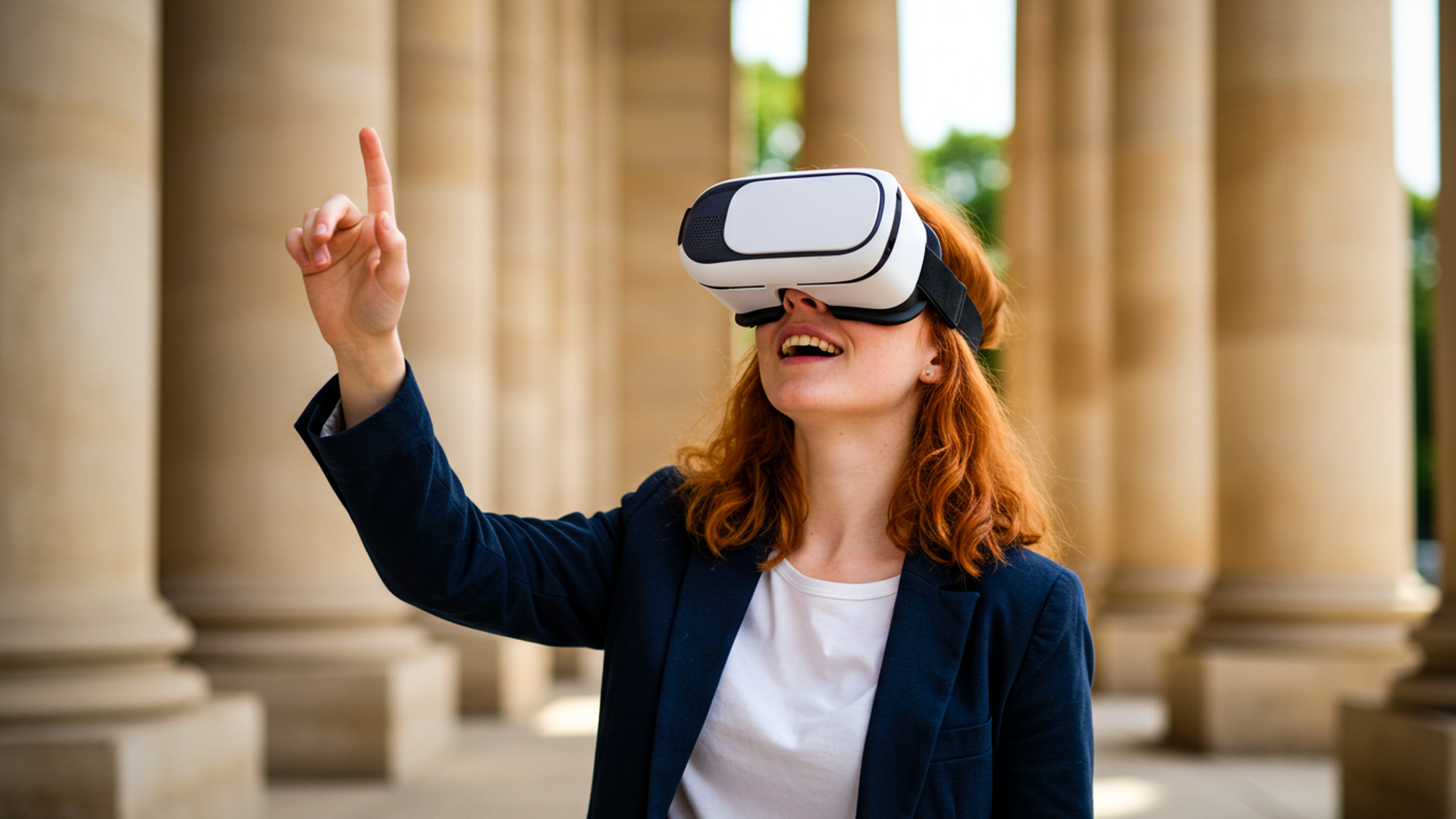
As virtual tourism transcends passive observation, integrating gamified elements transforms digital excursions into dynamic adventures. By weaving structured challenges into immersive environments, operators can stimulate visitor curiosity and sustain attention spans. Through a blend of cognitive science, user experience design, and interactive storytelling, virtual tourism platforms can craft compelling narratives that reward exploration and milestone achievements. This convergence of play and discovery deepens emotional resonance, encouraging users to return, share, and invest time in curated experiences. In this article, we dissect the mechanics of gamification, propose frameworks for challenge-driven engagement, and illustrate how data-driven iteration enhances virtual tours' efficacy and appeal.
The Psychology of Play in Virtual Environments
Intrinsic Motivation Mechanics
In virtual tourism, intrinsic motivation functions like a magnet, pulling participants toward discovery without external prodding. Drawing on self-determination theory, designers cultivate autonomy by granting users freedom to choose their exploration paths. When travelers decide which ancient ruins to investigate or which marine habitats to traverse first, their sense of agency ignites curiosity. Competence emerges as players master navigation controls, decode in-world puzzles, or learn heritage facts, reinforcing mastery. Analogous to a child solving a puzzle in a sunlit playroom, the participant experiences satisfaction that transcends mere checkpoint collection. Relatedness is fostered through cooperative scavenger hunts or shared discovery logs, nurturing a communal spirit amidst digital landscapes.
Consider a hypothetical scenario where a visitor unlocks a hidden chamber in a virtual pyramid via solving hieroglyphic riddles. As challenge difficulty aligns with skill progression, the user enters a flow state – an optimal zone where focus intensifies, and time perception warps. This seamless immersion parallels an experienced climber scaling a familiar route, where each grip feels intuitive yet exhilarating. By calibrating task difficulty dynamically, platforms maintain the equilibrium between boredom and anxiety. Embedding micro-narratives within these challenges transforms tasks into meaningful quests, ensuring participants remain intrinsically driven to uncover successive story beats rather than chasing superficial rewards.
Narrative-Driven Tasks
Narrative-driven tasks serve as the backbone of metaphorical scaffolding in virtual tourism, guiding players through thematic arcs. By interlacing lore, historical anecdotes, or speculative fiction environments, tasks acquire contextual weight. Imagine a steampunk-inspired Zeppelin voyage where each waypoint reveals a fragment of an inventor’s journal; these fragments coalesce into a cohesive narrative, compelling explorers to connect disparate clues. Like chapters in a novel, sequential tasks foster anticipation and emotional investment. Incorporating branching storylines empowers participants to influence narrative outcomes, enhancing replayability. The layered complexity engenders a sense of authorship, as users feel their choices resonate within the virtual world’s evolving storyline.
For instance, in a virtual reenactment of an Arctic expedition, travelers may be tasked with mapping ice floes while deciphering a captain’s distress signals. Each decoded message unfolds backstory, revealing motivations and secrets buried beneath layers of ice. The task’s design mirrors investigative journalism: players gather evidence, analyze clues, and reconstruct events. This blend of cognitive challenge and evocative storytelling magnifies engagement, as participants glimpse the expedition’s triumphs and tragedies firsthand. When challenges resonate emotionally and intellectually, users transition from passive observers to active protagonists, driving deeper connections with the digital terrain.
Social Connectivity as a Catalyst
Embedding social connectivity elevates gamified tours from solitary escapades into shared odysseys. Collaborative puzzles, co-op treasure hunts, and communal leaderboards foster camaraderie and friendly rivalry. For example, a virtual reenactment of a medieval market might include guild challenges where teams of merchants compete to secure trade routes, negotiate prices, and unlock regional lore. This multiplayer dynamic parallels open-world board games, where strategy and negotiation intensify social bonds. Real-time chat and avatar gestures amplify emotional resonance, allowing participants to celebrate milestones or commiserate over near-misses. By bridging avatars through teamwork or competition, virtual tourism platforms harness collective energy to enhance individual engagement.
Consider an anecdote where two friends, separated by continents, synchronize a virtual jungle trek to locate endangered species. Through coordinated scanning tasks and shared virtual binoculars, they uncover hidden bird colonies. Their triumph – immortalized in an in-world photo gallery – sparks further adventures as they invite a third friend into the fold. This organic social fuse exemplifies how connectivity catalyzes exponential engagement growth: each participant’s joy ripples through their network, encouraging new users to join. By integrating social mechanics seamlessly into exploration, virtual tourism transcends solitary consumption, evolving into a shared, narrative-driven community experience.

Designing Challenge Frameworks for Immersive Tours
Level Progression Architectures
Level progression architectures impose an ordered scaffolding upon virtual experiences, guiding users through incremental complexity. Unlike random task assemblages, a tiered structure delineates clear stages, enabling users to anticipate and prepare for upcoming challenges. Picture a virtual Roman forum where novices begin by identifying architectural elements, ascend to cataloging sculptural motifs, and culminate in orchestrating simulated archaeological digs. Each tier unlocks advanced interactive tools, like photogrammetry scanners or metadata editors, reinforcing users’ growing competence. By mapping progression to narrative beats, platforms maintain momentum while preventing task overload, creating a curated learning trajectory that balances exploration with structured skill development.
An effective analogy is building a house: foundation tasks establish stability, framing tasks shape structure, and finishing tasks polish the details. In a virtual heritage tour, the foundation phase might teach users basic navigation controls, while framing involves piecing together fragmented pottery via tactile mini-games. The finishing phase could simulate restoration, requiring precision tools and specialized knowledge. This hierarchical design ensures users feel incremental mastery, mirroring architectural project phases. When each level builds logically upon the previous one, participants experience a coherent ascent, fostering sustained engagement as they progress from digital apprentices to adept virtual conservationists.
Dynamic Difficulty Adjustment
Dynamic difficulty adjustment (DDA) tailors challenge intensity in real time, aligning with user performance metrics. By monitoring completion times, error rates, and behavioral patterns, algorithms calibrate obstacles to maintain the optimal tension between frustration and boredom. In a virtual coral reef expedition, if a user swiftly identifies fish species, the system may introduce rarer specimens or tighter time constraints. Conversely, struggling participants receive supportive hints or extended discovery windows. This adaptive approach mirrors smart traffic systems that modulate signal timings based on vehicle flow, ensuring smooth transit. Through DDA, virtual tourism platforms preserve immersion, preventing disengagement caused by static, one-size-fits-all challenge paradigms.
Envision a solo traveler navigating a digital replica of Machu Picchu. If altitude simulation puzzles prove taxing, the platform might simplify glyph-deciphering sequences or provide interactive overlay tutorials. As proficiency increases, the system gradually reintroduces complexity, guiding the user into advanced tasks such as virtual archaeological mapping. This ebb-and-flow mechanism fosters confidence, akin to personalized tutoring systems that adjust instruction pace to learner aptitude. By embedding DDA at the core of challenge frameworks, virtual tourism experiences become inclusive to diverse skill levels, ensuring that novices and experts alike traverse trails tailored to their capabilities.
Contextual Quest Design
Contextual quest design situates challenges within the thematic and environmental fabric of the virtual destination. Instead of generic fetch tasks, quests leverage site-specific lore, architectural details, or environmental phenomena. For instance, a quest at a digital Versailles might involve identifying period-accurate garden layouts, while a simulated Saharan caravan trail requires calculating resource consumption based on sandstorm forecasts. By embedding tasks seamlessly into the narrative ecosystem, designers preserve suspension of disbelief. This method parallels museum exhibit curation, where artifacts are contextualized within immersive dioramas, inviting visitors to glean deeper meaning through authentic, location-driven interactions.
Imagine embarking on a quest in a virtual Kyoto bamboo grove where technology senses your gaze and prompts haiku composition challenges inspired by observed flora. The quest reframes abstract poetry exercises as culturally grounded tasks, enriching cognitive engagement. As you complete each haiku, interactive tree spirits animate, offering cryptic historical tidbits. This layered design exemplifies contextual questing: tasks emerge organically from the environment, fostering a seamless bridge between gameplay mechanics and cultural education. By marrying form and function, contextual quests imbue virtual tourism with authenticity, sustaining engagement through meaningful, place-based challenges.

Reward Systems and Feedback Loops
Virtual Badges and Achievement Glyphs
Virtual badges and achievement glyphs function as semiotic reinforcers, visually marking user accomplishments within the digital domain. Unlike tangible souvenirs, these symbols carry metadata that can unlock advanced features or social recognition. For example, earning a “Sunken Ship Explorer” badge after successful underwater navigation might grant access to exclusive sonar mapping tools for subsequent dives. Metaphorically akin to military insignia, badges signal status and expertise to peers. Designers can tier badge rarity—from common expedition markers to legendary masterclass seals—instilling aspirational goals. When thoughtfully integrated into user interfaces, these glyphs provide immediate feedback, celebrating milestones and motivating continued exploration.
Consider a scenario where participants collect glyph fragments scattered across a virtual Himalayan ascent. Each fragment completes a composite badge, visually representing the climber’s progress and serendipitously revealing hidden waypoints. This fragmentary collection mechanic ignites curiosity, encouraging thorough exploration. As the badge coalesces, users experience a sense of narrative closure, reminiscent of archaeological digs assembling mosaic shards. Badge dashboards showcasing fragment counts and completion percentages provide transparent progress metrics. By leveraging visual tokens and completion feedback, platforms sustain engagement through progressively unveiled rewards.
Leaderboards and Competitive Spur
Leaderboards introduce a competitive dimension, transforming solitary tours into arenas of comparative prowess. By ranking participants on metrics such as speed, accuracy, or creativity, platforms tap into social comparison dynamics. A virtual exploration of the Great Barrier Reef might feature a leaderboard based on total species cataloged, motivating users to refine their identification skills. This visible hierarchy kindles competitive drive, motivating repeated engagements. Analogous to track-and-field scoreboards, leaderboards crystallize performance data, imbuing digital tourism with athletic vigor. To prevent discouragement, designers often implement tiered leaderboards, grouping users into skill brackets and promoting fair competition across experience levels.
In a hypothetical global treasure hunt, teams worldwide could vie for top positions on a decentralized leaderboard. Geographic filters allow users to compete regionally or globally, fostering both local pride and international rivalry. Periodic resets—such as weekly or monthly cycles—renew competitive stakes, offering fresh opportunities to claim top spots. Additionally, integrative social media sharing of leaderboard achievements amplifies outreach, as users broadcast their rankings externally. By balancing competition with inclusivity through bracketed leaderboards and periodic resets, virtual tourism experiences harness the motivational potency of friendly rivalry.
Adaptive Rewards Mechanisms
Adaptive rewards mechanisms personalize incentives based on user preferences and historical behavior, moving beyond monolithic reward structures. By analyzing play patterns—such as quest completion frequencies or favored content genres—algorithms tailor reward types, whether aesthetic skins, narrative unlocks, or skill-enhancing utilities. A data-driven system might offer a user who repeatedly engages with architectural puzzles a custom interactive blueprint as a reward, deepening their domain-specific engagement. This personalization mirrors recommendation engines in e-commerce, aligning rewards with individual proclivities. Through adaptive mechanisms, virtual tourism platforms ensure that incentives remain salient and compelling across diverse user archetypes.
Envision a participant whose behavior indicates a predilection for art history modules; the platform could unlock an exclusive virtual gallery tour upon milestone completion. Conversely, for a user drawn to environmental simulations, rewards might include interactive biomes or climate data visualizers. These tailored incentives resonate more profoundly than generic trophies, fostering a sense of recognition and ownership. By coupling real-time analytics with modular reward libraries, gamified tourism delivers bespoke experiences, encouraging sustained participation through personalized value propositions.

Measuring Engagement and Iterative Optimization
Telemetry and Analytics Integration
Integrating telemetry systems within virtual tourism delivers granular insights into user behavior, task interaction frequency, and session durations. Instrumentation points capture events like puzzle attempts, navigation routes, and multimedia artifact views. These data streams feed into analytics dashboards, enabling designers to identify friction points and high-engagement hotspots. Just as manufacturing processes use IoT sensors to optimize production lines, virtual tourism leverages telemetry to refine experiential flows. By correlating challenge metrics with user retention data, stakeholders can discern which gamified elements resonate and which require recalibration for improved engagement.
Consider an analytics report revealing that users abandon a quest midway through a Byzantine mosaic puzzle. Designers can investigate puzzle complexity, interface usability, or narrative clarity to diagnose the drop-off. Implementing session replays or heatmap overlays provides visual context for user frustrations. Subsequently, the puzzle’s parameters can be adjusted—simplifying instructions, adding hint tiers, or altering reward thresholds. Through this iterative cycle, platforms evolve responsively, ensuring that gamification mechanics remain optimized for diverse audience segments.
A/B Testing in Virtual Tourism
A/B testing empowers virtual tourism operators to experiment with variant challenge designs and measure their efficacy. By splitting traffic between control and experimental groups, teams can compare metrics such as completion rates, time-on-task, and return visits. For instance, two versions of an interactive map overlay—one static and one animated—can reveal which interface enhances exploration efficiency. Analogous to digital marketing campaigns, A/B tests in virtual tourism abstract singular design variables for empirical evaluation. This methodical approach replaces subjective design debates with data-driven decisions, refining gamification features iteratively.
Envision a scenario where half the users encounter a points-based progression bar, while the other half see an immersive narrative countdown. By analyzing engagement differentials, designers can choose the more compelling mechanic. Subsequent tests might vary reward thresholds, hint frequencies, or visual styles. Over successive iterations, this granular experimentation cultivates best practices tailored to specific demographics or content themes. Ultimately, A/B testing cements a culture of continuous improvement, enabling virtual tourism experiences to adapt dynamically to user preferences and performance patterns.
Continuous Iteration through User Feedback
Soliciting user feedback remains indispensable for iterative gamification refinement. In-world surveys, post-tour questionnaires, and community forums surface qualitative insights that complement quantitative analytics. Participants may highlight unclear instructions, thematic disconnects, or reward imbalances that metrics cannot fully capture. By integrating feedback loops—such as in-app feedback widgets—designers can harvest real-time user sentiments. This user-centric approach parallels agile software development’s sprint retrospectives, ensuring ongoing alignment between platform objectives and user needs.
For example, a post-tour survey may reveal that users find artifact annotation tasks intellectually stimulating but visually monotonous. In response, designers could incorporate dynamic visual effects or contextual audio cues to enrich the annotation experience. Community-driven ideation sessions might yield innovative challenge concepts, further democratizing content creation. By blending analytics with direct user input, virtual tourism platforms foster a participatory development ethos, continually calibrating gamification mechanics to maximize engagement and satisfaction.
