

Hybrid Tourism: Blending Virtual Journeys with Physical Adventures
Author
Elisha Roodt
Date Published
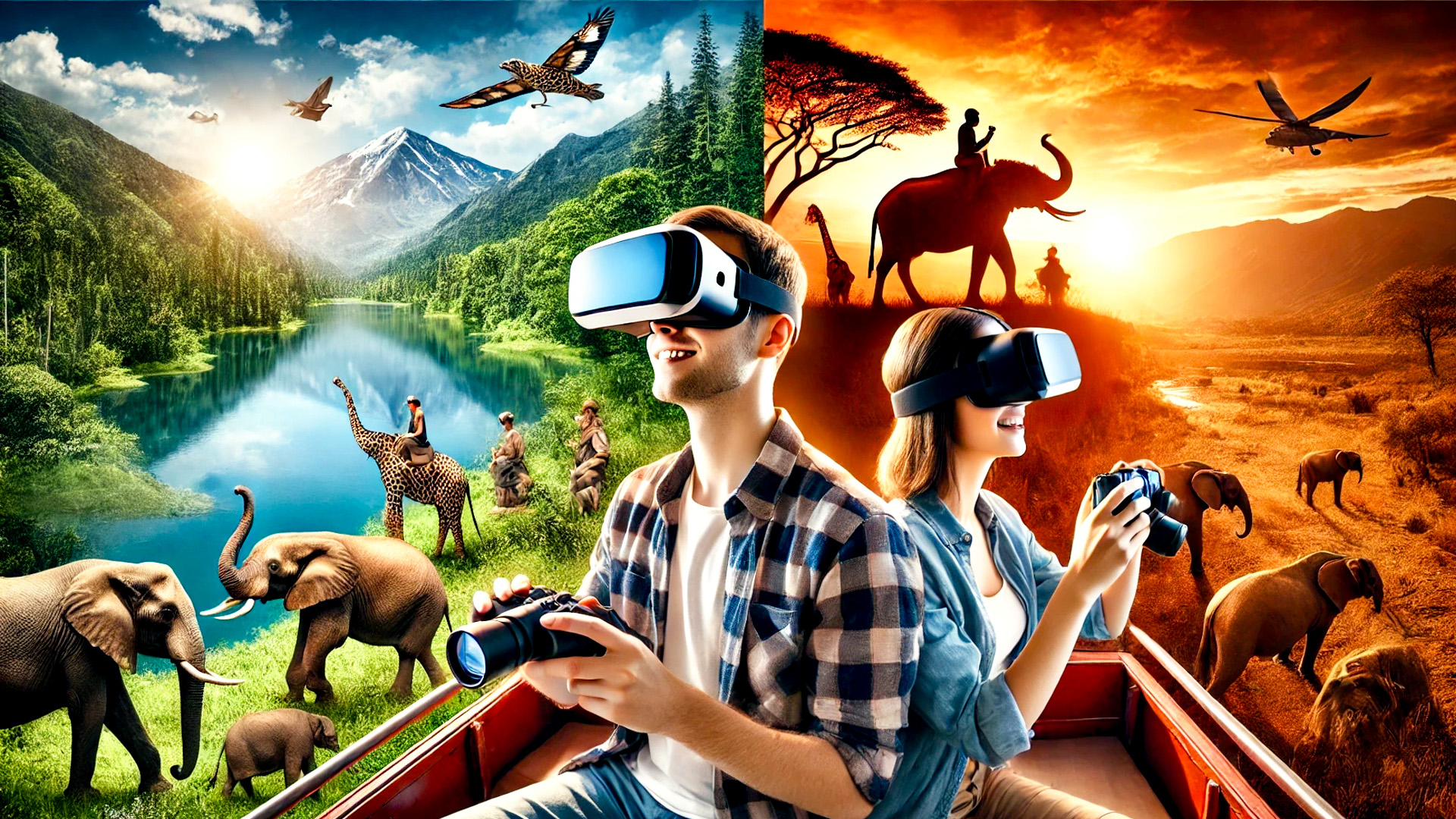
Navigating the New Frontier of Travel Through Virtual and Physical Synergy
Imagine planning a trip where you can explore the intricate alleyways of Venice from your living room, savor the aroma of street food in Bangkok through virtual reality, and then immerse yourself physically, armed with insights gathered online. This seamless integration of digital exploration and tangible experiences is reshaping the landscape of modern tourism. Hybrid tourism, a fusion of virtual and physical travel, is emerging as a preferred choice for globetrotters seeking depth, convenience, and enhanced engagement with their destinations. Let’s delve into the evolving trends, benefits, and transformative potential of this innovative approach to travel.
The Evolution of Hybrid Tourism
From Traditional to Transformative Travel Experiences
The concept of hybrid tourism isn't entirely new; it has roots in the gradual digitization of travel planning and booking. However, the advent of advanced technologies like virtual reality (VR), augmented reality (AR), and sophisticated online platforms has catapulted hybrid tourism into a new era. Travelers are no longer confined to static itineraries or limited by physical constraints. Instead, they can engage with destinations in a multifaceted manner, blending virtual pre-travel research with immersive on-site experiences.
This transformation mirrors the shift from analog to digital in other industries, where the integration of technology has enhanced user experiences and expanded possibilities. Just as streaming services revolutionized how we consume media, hybrid tourism is redefining the way we explore the world. By leveraging digital tools, travelers can gain a deeper understanding of their destinations, making their physical journeys more informed and meaningful.
Technological Advancements Driving the Trend
The surge in hybrid tourism is largely fueled by rapid technological advancements. Virtual reality headsets, 360-degree videos, and interactive online maps have become more accessible and user-friendly, enabling travelers to virtually visit destinations with unprecedented realism. Additionally, mobile applications and augmented reality features enhance on-site experiences by providing real-time information, translations, and interactive guides.
These technologies not only enrich the travel experience but also address common challenges such as language barriers, accessibility, and information overload. For instance, AR can overlay historical data or cultural insights onto real-world landmarks, offering a layered understanding that traditional guidebooks cannot match. The synergy between virtual and physical elements creates a more cohesive and engaging travel narrative, appealing to the modern traveler’s desire for both convenience and depth.
Shifting Traveler Expectations and Behaviors
Today's travelers are more informed, tech-savvy, and experiential in their approach to travel. They seek personalized experiences, value authenticity, and are eager to explore destinations beyond the typical tourist paths. Hybrid tourism caters to these preferences by allowing travelers to tailor their journeys, blending digital exploration with real-world adventures.
The rise of remote work and digital nomadism has blurred the lines between leisure and professional travel. Hybrid tourism accommodates this shift by offering flexible travel options that integrate work and exploration. Travelers can scout destinations virtually before committing to a physical visit, ensuring that their chosen locales align with their personal and professional needs. This adaptability reflects a broader trend towards intentional and purpose-driven travel, where every journey is carefully curated to maximize both enjoyment and practicality.
Virtual Pre-Travel: Preparing for the Physical Journey
Enhancing Destination Familiarity through Virtual Exploration
Before setting foot in a new location, many travelers now engage in virtual tours to familiarize themselves with the destination. These virtual explorations provide a comprehensive overview of key attractions, cultural landmarks, and local nuances, enabling travelers to plan their itineraries more effectively. By virtually navigating through museums, historical sites, and natural wonders, travelers can identify must-see locations and prioritize their visits based on personal interests.
This preparatory phase is akin to rehearsing for a performance; it builds confidence and reduces the uncertainty associated with traveling to unfamiliar places. Virtual exploration also allows travelers to discover hidden gems that may not be highlighted in traditional guides, fostering a sense of discovery and excitement. It aids in logistical planning, such as understanding public transportation systems, local customs, and language basics, thereby enhancing the overall travel experience.
Leveraging Virtual Reality for Immersive Planning
Virtual reality takes pre-travel preparation to the next level by offering immersive experiences that go beyond static images or videos. With VR, travelers can virtually walk through streets, explore neighborhoods, and even interact with virtual representations of local people. This level of immersion provides a realistic sense of the destination's atmosphere, helping travelers make informed decisions about where to stay, what to eat, and which activities to prioritize.
For example, a prospective visitor to Tokyo might use VR to explore different districts, experience the hustle and bustle of Shibuya Crossing, or visit serene temples in Kyoto—all from the comfort of home. This immersive planning not only enhances anticipation but also allows travelers to visualize their trips, making adjustments to their plans based on firsthand virtual experiences. As a result, the physical journey becomes more personalized and aligned with the traveler’s expectations and preferences.
Building Anticipation and Reducing Travel Anxiety
Traveling to a new destination can be both exciting and daunting. Virtual pre-travel experiences help mitigate anxiety by providing a sense of familiarity and preparedness. By virtually experiencing the destination beforehand, travelers can anticipate challenges, such as navigating public transport or understanding local etiquette, and develop strategies to address them.
Additionally, virtual tours can serve as a source of inspiration, igniting enthusiasm and motivation for the upcoming trip. For instance, a traveler planning to hike in the Swiss Alps can virtually traverse the trails, gauge the difficulty levels, and prepare physically and mentally for the adventure ahead. This blend of anticipation and preparedness fosters a positive mindset, enhancing the overall travel experience and ensuring that travelers feel more in control and confident as they embark on their journeys.

Virtual Augmentation During the Physical Visit
Enhancing On-Site Experiences with Augmented Reality
Once physically present at the destination, augmented reality can significantly enhance the travel experience by overlaying digital information onto the real world. AR applications can provide interactive guides, historical context, and real-time translations, enriching the traveler’s understanding and engagement with their surroundings. For example, pointing a smartphone at a historic monument could reveal its construction history, notable events, and architectural details, transforming a simple visit into an informative and captivating exploration.
AR also facilitates interactive storytelling, allowing travelers to engage with the destination’s narrative in a dynamic way. Imagine walking through ancient ruins and seeing reconstructions of how the site appeared in its prime, or exploring a city street and receiving recommendations for nearby attractions based on your interests. These augmented layers of information create a more immersive and personalized experience, making each visit unique and memorable.
Real-Time Language Translation and Communication Tools
Language barriers can often hinder the travel experience, leading to misunderstandings and missed opportunities for meaningful interactions. Hybrid tourism leverages virtual tools to bridge these gaps, offering real-time language translation and communication aids. Mobile applications equipped with instant translation capabilities enable travelers to converse with locals, read signs, and understand menus with ease, fostering smoother interactions and a deeper connection with the culture.
These tools can enhance safety and convenience by providing access to essential information in the traveler’s native language. For instance, emergency instructions, transportation schedules, and local news updates can be seamlessly translated, ensuring that travelers are well-informed and prepared. By mitigating language-related challenges, hybrid tourism empowers travelers to navigate destinations more confidently and engage more authentically with their environment.
Personalized Itineraries and Adaptive Travel Plans
Hybrid tourism enables the creation of personalized itineraries that adapt to the traveler’s preferences and real-time circumstances. Digital platforms can analyze user data and feedback to suggest activities, restaurants, and attractions tailored to individual interests. This level of customization ensures that each traveler’s experience is unique and aligned with their specific desires, whether they seek adventure, relaxation, cultural immersion, or culinary delights.
Adaptive travel plans can respond to unexpected changes, such as weather conditions or local events, by offering alternative suggestions on the fly. For example, if a planned outdoor activity is rained out, the system can instantly recommend nearby indoor attractions or alternative activities that match the traveler’s interests. This flexibility enhances the overall travel experience by reducing stress and maximizing enjoyment, allowing travelers to make the most of their time regardless of unforeseen circumstances.
Virtual Post-Travel Engagement and Memory Preservation
Virtual Diaries and Digital Storytelling
After the physical journey concludes, virtual platforms offer innovative ways to document and share travel experiences. Virtual diaries and digital storytelling tools allow travelers to create rich, multimedia narratives that capture their adventures in vivid detail. By integrating photos, videos, 3D models, and interactive maps, these digital journals provide a dynamic and immersive way to relive memories and share them with others.
This form of documentation goes beyond traditional photo albums or blog posts, offering a more engaging and comprehensive portrayal of the travel experience. Travelers can embed VR clips of stunning vistas, AR-enhanced snapshots of cultural encounters, and interactive timelines that highlight key moments of their journey. Such detailed digital records not only preserve memories but also serve as valuable resources for future travel planning and inspiration.
Community Building and Shared Virtual Experiences
Hybrid tourism fosters a sense of community among travelers by facilitating the sharing of virtual and physical experiences. Online platforms and social media groups dedicated to hybrid tourism enable individuals to connect, exchange tips, and collaborate on travel projects. This communal aspect enriches the travel experience by providing access to diverse perspectives and collective knowledge, enhancing both virtual and physical journeys.
Additionally, shared virtual experiences, such as group VR tours or collaborative digital scrapbooks, create opportunities for collective exploration and storytelling. Travelers can participate in virtual meetups to discuss their trips, share insights, and even plan future adventures together. This sense of camaraderie and shared enthusiasm strengthens the bonds between travelers, transforming individual journeys into a collective narrative that celebrates the diversity and interconnectedness of global exploration.
Preserving Memories through Digital Archiving
The digital preservation of travel memories ensures that experiences remain accessible and tangible long after the trip concludes. Advanced digital archiving techniques allow travelers to store their virtual and physical memories in organized, easily retrievable formats. From cloud-based storage solutions to specialized travel memory apps, these tools provide secure and efficient ways to archive photos, videos, VR experiences, and other digital artifacts.
Digital archiving facilitates the creation of interactive and evolving memory collections. Travelers can revisit and update their archives, adding new content or enhancing existing entries with additional details and reflections. This ongoing process of memory preservation not only safeguards cherished moments but also enables continuous engagement with past experiences, transforming them into enduring treasures that can be shared and relived for years to come.

The Benefits of Hybrid Tourism
Enhanced Accessibility and Inclusivity
Hybrid tourism breaks down traditional barriers to travel, making destinations more accessible to a wider audience. Virtual components enable individuals with physical disabilities, financial constraints, or time limitations to experience destinations they might otherwise be unable to visit. This inclusivity democratizes travel, allowing more people to explore and appreciate diverse cultures and environments without the constraints of conventional travel limitations.
Hybrid tourism accommodates varying comfort levels by offering flexible participation options. Travelers can choose to engage with virtual elements as much or as little as they desire, tailoring their experiences to suit their personal needs and preferences. This flexibility ensures that hybrid tourism is adaptable to a diverse range of travelers, fostering a more inclusive and equitable travel landscape.
Environmental Sustainability and Responsible Travel
The integration of virtual and physical travel components contributes to more sustainable tourism practices. By reducing the need for frequent long-haul flights and minimizing the environmental impact of travel, hybrid tourism supports efforts to mitigate climate change and preserve natural resources. Virtual pre-travel planning and remote exploration can decrease the carbon footprint associated with traditional travel, promoting more responsible and eco-friendly travel habits.
Additionally, hybrid tourism encourages mindful travel by fostering a deeper connection with destinations. Travelers who engage in virtual exploration are more likely to appreciate and respect the places they visit, leading to more sustainable behaviors and responsible tourism practices. This heightened awareness and appreciation contribute to the preservation of cultural heritage and natural environments, ensuring that destinations remain vibrant and accessible for future generations.
Cost-Effectiveness and Value Optimization
Hybrid tourism offers significant cost savings by combining virtual and physical travel elements. Virtual pre-travel research and planning can help travelers identify the most cost-effective options for accommodations, transportation, and activities, enabling them to allocate their budgets more efficiently. Additionally, virtual experiences can supplement physical trips, providing value-added content without incurring additional expenses.
Hybrid tourism enhances the overall value of travel by maximizing the return on investment. Travelers gain more comprehensive and enriching experiences through the integration of virtual and physical components, ensuring that every aspect of their journey is meaningful and rewarding. This optimization of resources and experiences leads to a more satisfying and fulfilling travel experience, offering greater value for the time and money invested.
Challenges and Considerations in Hybrid Tourism
Technological Barriers and Digital Divide
While hybrid tourism offers numerous benefits, it also presents challenges related to technological accessibility and the digital divide. Not all travelers have equal access to advanced technologies such as VR headsets, high-speed internet, or augmented reality devices. This disparity can limit the reach and effectiveness of hybrid tourism, excluding those who cannot afford or access the necessary tools.
Addressing these barriers requires concerted efforts to bridge the digital divide, ensuring that hybrid tourism solutions are inclusive and accessible to all. This may involve developing more affordable technologies, expanding internet infrastructure in underserved areas, and creating user-friendly platforms that cater to a diverse range of technical proficiencies. By overcoming technological barriers, hybrid tourism can become a more equitable and widespread phenomenon, benefiting a broader spectrum of travelers.
Maintaining Authenticity in Virtual Experiences
One of the core appeals of travel is the authentic and unfiltered experience of new cultures and environments. However, there is a risk that virtual components could dilute or distort this authenticity if not executed thoughtfully. Virtual representations may inadvertently present a sanitized or commercialized version of destinations, missing the nuanced and lived realities that define a place.
Ensuring authenticity in virtual experiences requires collaboration with local communities, cultural experts, and ethical content creators. By prioritizing genuine storytelling and accurate portrayals, hybrid tourism can preserve the integrity and uniqueness of each destination. Additionally, incorporating user-generated content and feedback can enhance the authenticity of virtual experiences, allowing for a more diverse and representative portrayal of the destination.
Balancing Virtual and Physical Engagement
Achieving the right balance between virtual and physical elements is crucial for the success of hybrid tourism. Overreliance on virtual components may lead to diminished interest in physical travel, while insufficient virtual integration could result in a fragmented and less cohesive experience. Striking this balance requires thoughtful planning and integration, ensuring that virtual and physical elements complement and enhance each other rather than compete.
This balance can be achieved by aligning virtual experiences with physical activities, creating a seamless flow between digital and tangible interactions. For example, a virtual tour of a museum could be followed by a physical visit, with virtual insights enhancing the on-site experience. By harmonizing virtual and physical components, hybrid tourism can offer a holistic and integrated travel experience that leverages the strengths of both modalities.

The Future of Hybrid Tourism
Innovations on the Horizon
The future of hybrid tourism is poised to be shaped by continuous technological innovations and evolving traveler preferences. Emerging technologies such as artificial intelligence (AI), machine learning, and advanced data analytics will further enhance the personalization and interactivity of hybrid travel experiences. AI-driven recommendations, predictive analytics, and adaptive learning algorithms will enable even more tailored and intuitive travel planning and engagement.
Advancements in immersive technologies like holographic displays and mixed reality will push the boundaries of virtual exploration, offering more lifelike and interactive experiences. These innovations will create new opportunities for travelers to engage with destinations in unprecedented ways, making hybrid tourism an ever-evolving and dynamic field.
The Role of Sustainable Practices in Hybrid Tourism
As the global community increasingly prioritizes sustainability, hybrid tourism will play a pivotal role in promoting eco-friendly travel practices. By reducing the environmental impact of travel through virtual pre-exploration and optimized physical journeys, hybrid tourism aligns with broader sustainability goals. Additionally, hybrid tourism can support local economies by promoting responsible tourism and encouraging sustainable behaviors among travelers.
The integration of sustainability metrics into hybrid tourism platforms can provide travelers with insights into the environmental footprint of their journeys, enabling them to make more informed and conscientious travel choices. This alignment with sustainable practices will not only enhance the appeal of hybrid tourism but also contribute to the preservation and stewardship of destinations worldwide.
Expanding Accessibility and Democratizing Travel
Looking ahead, hybrid tourism has the potential to democratize travel by making it more accessible and inclusive for a diverse range of individuals. Efforts to develop affordable technologies, expand digital infrastructure, and create inclusive content will ensure that hybrid tourism benefits a broader audience. This democratization will foster greater cultural exchange, mutual understanding, and global interconnectedness, enriching the travel experience for everyone involved.
Hybrid tourism can empower marginalized communities by providing platforms to showcase their unique cultures and stories. By facilitating authentic and respectful representations, hybrid tourism can promote greater visibility and appreciation for diverse cultures, contributing to a more equitable and inclusive global travel landscape.
Embracing the Hybrid Travel Revolution
The fusion of virtual and physical travel experiences marks a significant shift in the tourism industry, offering a more nuanced, flexible, and enriched way to explore the world. Hybrid tourism caters to the evolving desires of modern travelers, blending the convenience and depth of virtual exploration with the tangible and immersive nature of physical adventures. As technology continues to advance and traveler preferences evolve, hybrid tourism is set to become a cornerstone of the future travel landscape, redefining how we connect with destinations and each other.
By embracing hybrid tourism, travelers can unlock new dimensions of exploration, fostering a deeper understanding and appreciation of the world’s diverse cultures and environments. This innovative approach not only enhances the personal travel experience but also contributes to sustainable and responsible tourism practices, ensuring that the beauty and richness of our planet are preserved for generations to come. As the boundaries between virtual and physical travel continue to blur, the possibilities for hybrid tourism are limitless, inviting us all to embark on more informed, meaningful, and transformative journeys.

The Future Of Hybrid Tourism