

The Role of Virtual Tourism in Cultural Preservation
Author
Elisha Roodt
Date Published
Defining Virtual Tourism and Its Relevance in Today’s World
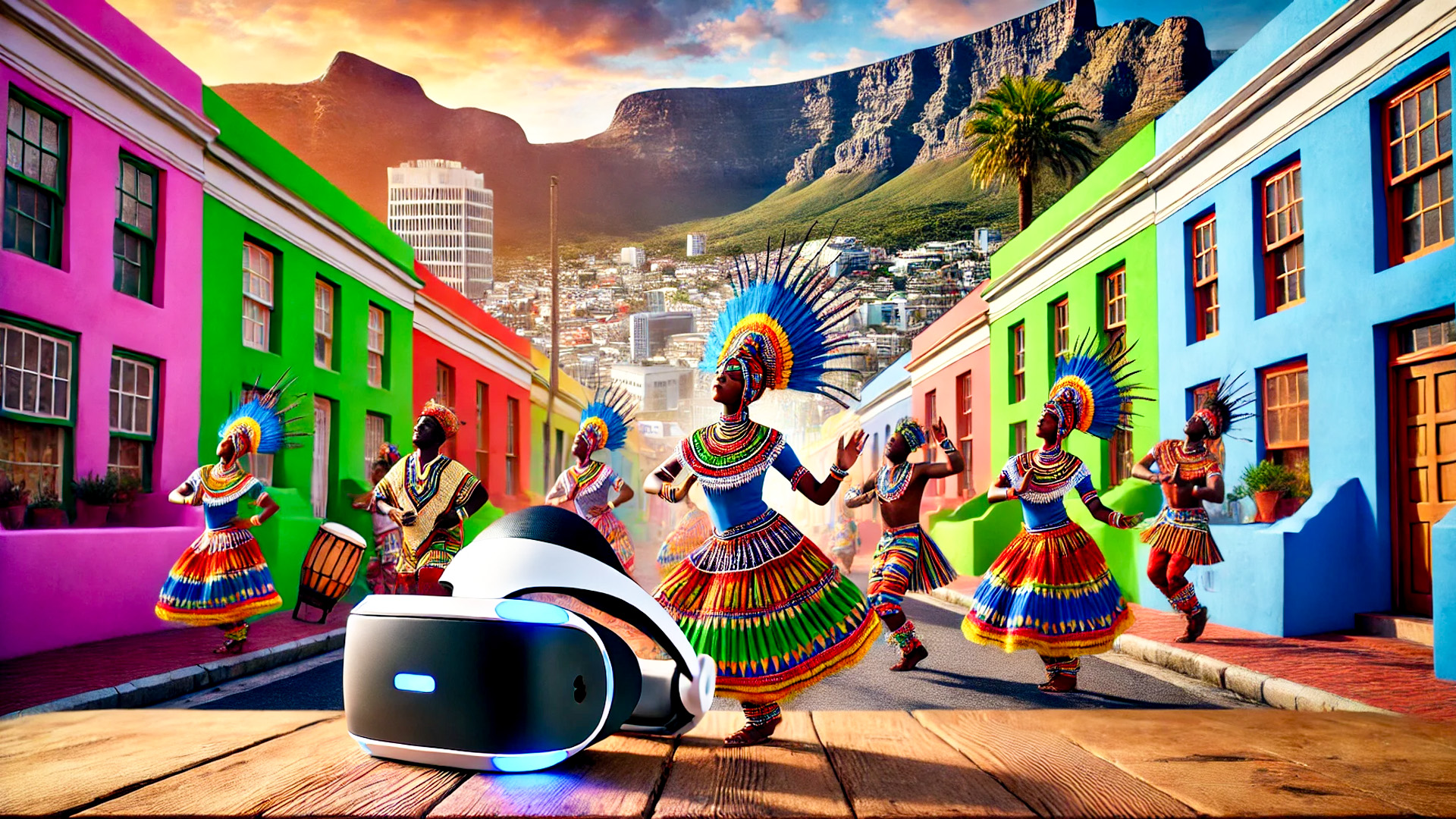
Virtual tourism has emerged as a transformative tool in the global travel industry, offering immersive experiences that transcend the limitations of physical travel. Utilizing cutting-edge technologies such as Virtual Reality (VR) and Augmented Reality (AR), virtual tourism allows users to explore distant and exotic locations from the comfort of their own homes. Imagine wandering through the breathtaking ancient ruins of Petra, where every stone tells a story, or participating in vibrant indigenous ceremonies across the globe, all without the hassle of long flights or costly accommodations. This innovative approach not only caters to the wanderlust of those unable to travel physically but also addresses growing environmental concerns and rising travel costs. As the world grapples with issues like climate change and limited resources, virtual tourism emerges as a sustainable alternative, offering meaningful opportunities for cultural exploration and connection.
Cultural Preservation in the Digital Age: Why It Matters
In an era marked by rapid globalization, many traditional cultures face the daunting challenges of erosion and marginalization, leaving invaluable heritage sites and intangible practices at risk of disappearing. Cultural preservation is crucial, ensuring that future generations can access the rich tapestry of traditions, stories, and landmarks that shape humanity’s collective identity. Virtual tourism plays a vital role in this effort, capturing and digitizing cultures and sites that may otherwise succumb to the ravages of time or external threats. By creating virtual experiences, societies can not only safeguard their cultural legacies but also make them accessible to a global audience eager to learn and connect. In the digital age, preserving culture transcends merely conserving artifacts; it involves keeping stories alive and relevant, fostering understanding and appreciation across diverse communities. By embracing virtual tourism, we ensure that the vibrant diversity of our world continues to thrive and inspire, bridging gaps between past, present, and future.
Understanding the Intersection of Technology and Heritage
How Virtual Reality (VR) and Augmented Reality (AR) Transform Tourism
Virtual Reality (VR) and Augmented Reality (AR) have revolutionized the tourism industry by providing multisensory, immersive experiences that engage travelers in unprecedented ways. VR allows users to step into fully reconstructed historical environments, offering a lifelike experience that transports them to different eras and places. For instance, a user can walk through ancient Rome, witnessing the grandeur of the Colosseum in its prime. Meanwhile, AR enhances the real-world experience by overlaying cultural information onto physical surroundings in real-time. Tourists can use AR applications to visualize how ancient buildings appeared when they were first constructed or interactively explore museum exhibits through VR tours. These technologies transcend mere entertainment; they enhance engagement and interaction, transforming passive observation into active participation. With this innovative approach, the storytelling power of heritage sites is amplified, making visits more memorable and emotionally impactful. Tourists are no longer mere spectators but become part of the narrative, deepening their connection to the culture and history surrounding them.
The Role of 360-Degree Videos and Virtual Tours in Showcasing Heritage Sites
360-degree videos provide an unprecedented method for exploring heritage sites, offering a panoramic view of locations that may be geographically remote or inaccessible to many. Virtual tours guide users through iconic landmarks like Machu Picchu or the Pyramids of Giza, complete with layered narration that vividly brings historical events to life. These digital tools enable heritage organizations to craft curated experiences that blend education with entertainment, fostering a deeper appreciation for cultural sites. Beyond their appeal to tourists, they serve an essential educational purpose, granting students and learners firsthand exposure to diverse cultures and histories, thus nurturing a global understanding of our shared heritage.
From Artifacts to Traditions: Digitizing Culture for Global Audiences
Virtual tourism extends beyond physical landmarks; it encompasses intangible cultural heritage, including traditional dances, crafts, and ceremonies. These cultural practices are being documented and shared globally through virtual platforms, bridging the gap between local communities and audiences who may never have the opportunity to experience them in person. This digitization allows for broader appreciation of cultural diversity, ensuring that valuable traditions do not fade into obscurity. Moreover, it empowers communities to document their practices, utilizing digital tools to reach a global audience while maintaining authenticity. In this way, virtual tourism not only preserves but also celebrates the richness of human culture, ensuring that traditions are kept alive for future generations to explore and appreciate.

Empowering Indigenous Communities through Virtual Tourism
Virtual Tourism as a Platform for Indigenous Storytelling
For indigenous communities, virtual tourism serves as a powerful platform for sharing their narratives on their own terms. Historically, these groups have often been misrepresented or overshadowed within mainstream tourism, which tends to portray simplified or inaccurate images of their cultures. Virtual platforms empower indigenous communities to reclaim their stories, allowing them to present their traditions and beliefs authentically. Through guided virtual tours, cultural workshops, and immersive storytelling experiences, these groups provide invaluable insights into their ways of life, showcasing the richness of their heritage. This form of cultural diplomacy not only fosters understanding and respect but also offers tourists a deeper, more nuanced perspective that goes far beyond the superficial experiences typically associated with traditional tourism. By engaging directly with indigenous storytellers, travelers can appreciate the complexities and richness of these cultures, ultimately leading to a more respectful and informed tourism landscape.
Revenue Generation for Local Communities via Virtual Experiences
Virtual tourism opens up innovative revenue streams for local communities, enabling them to offer unique experiences that do not rely on physical travel. For instance, artisans can showcase and sell their crafts in virtual marketplaces, providing them with a global platform to reach potential buyers. Cultural festivals can be live-streamed, allowing audiences worldwide to participate in events that celebrate local traditions, often for a fee. These initiatives create meaningful economic opportunities while reducing reliance on seasonal tourism, which can be unpredictable. Moreover, they empower communities to control how their culture is presented and monetized, ensuring that tourism benefits remain local and contribute to the sustainability of their traditions and livelihoods.
Bridging the Gap: How Virtual Platforms Promote C ultural Exchange
Cultural exchange flourishes through virtual platforms that connect individuals across borders, breaking down barriers and fostering dialogue. Live interactions, collaborative workshops, and virtual events create spaces for mutual learning, helping participants confront and overcome stereotypes and biases. For indigenous communities, this is an opportunity to engage with a global audience while preserving their cultural identity. For travelers, it presents a chance to experience the world in meaningful ways that extend beyond mere sightseeing, allowing them to participate in authentic cultural exchanges that enrich their understanding of different societies. Through these virtual interactions, both sides can cultivate appreciation, empathy, and respect, ultimately strengthening the fabric of global cultural diversity.
Mitigating the Impact of Overtourism on Heritage Sites
Reducing Foot Traffic: How Virtual Tours Protect Fragile Landmarks
Overtourism poses a significant threat to many heritage sites, leading to environmental degradation, structural damage, and the erosion of cultural integrity. As physical visitor numbers surge, fragile landmarks—including delicate coral reefs, ancient temples, and historically rich archaeological sites—struggle to withstand the pressure. Virtual tourism emerges as a sustainable solution by reducing the number of physical visitors while still providing global access to these remarkable locations. Through virtual tours, individuals can explore these sites from anywhere in the world, allowing heritage organizations to prioritize preservation. With fewer tourists on-site, sensitive areas can be better protected, mitigating wear and tear that often comes with mass visitation. In some instances, virtual tourism becomes the only viable way to experience places that are too sensitive to accommodate regular visitors, ensuring that both the cultural and environmental integrity of these landmarks is maintained for future generations.
Striking a Balance: Combining Physical and Virtual Visits
Rather than replacing traditional tourism, virtual tourism complements it by providing essential preparatory and follow-up experiences for travelers. Before embarking on their journeys, tourists can utilize virtual tours to learn about the history, cultural significance, and unique features of the places they plan to visit, enriching their overall experience. After their trip, they can revisit these sites virtually, reinforcing their understanding and connection to the destination. This hybrid model ensures that tourism remains enriching while minimizing its environmental footprint. It also encourages a more mindful approach to travel, prompting visitors to engage with destinations in meaningful and respectful ways, fostering a deeper appreciation for the cultures and ecosystems they encounter.
Case Studies of Sites Preserved through Virtual Alternatives
Several heritage sites have successfully embraced virtual tourism as part of their comprehensive conservation strategies. Machu Picchu in Peru, for instance, offers virtual tours that help limit the number of physical visitors while providing a robust online experience for those unable to visit. Similarly, the ancient caves of Lascaux in France have been recreated virtually, safeguarding the original cave paintings from deterioration caused by exposure to human presence. These compelling case studies highlight the effectiveness of virtual alternatives in safeguarding heritage, ensuring public access while maintaining the integrity of these priceless cultural treasures.

Challenges and Ethical Considerations in Virtual Cultural Preservation
Ensuring Authenticity in Digital Experiences
One of the key challenges facing virtual tourism is the preservation of authenticity within digital experiences. While virtual reproductions can offer incredible opportunities for exploration and learning, they also risk oversimplifying or misrepresenting the rich and complex narratives of diverse cultures. To combat this, it is essential to involve cultural experts and community representatives throughout the creation process of virtual content. By engaging those who have intimate knowledge of their culture, virtual experiences can remain true to their source, fostering genuine respect and understanding among users. Collaborative efforts between content creators and cultural custodians can enhance the credibility of digital representations, ensuring that they reflect the true essence of the traditions, beliefs, and stories they aim to share. This authenticity not only enriches the user experience but also promotes a deeper connection between travelers and the cultures they encounter.
Navigating Ownership and Copyright of Cultural Data
The digitization of cultural heritage raises significant questions regarding ownership and copyright. Who rightfully owns the digital representation of a historical artifact, traditional ceremony, or even a community’s story? It is crucial for indigenous and local communities to retain control over how their cultural assets are shared and monetized in virtual spaces. Establishing clear guidelines is necessary to prevent the exploitation or misappropriation of cultural data by third parties. By advocating for ethical practices and transparent agreements, communities can ensure that their cultural heritage is respected and that they benefit from the opportunities created by digital platforms. This empowerment allows them to tell their own stories while preserving the integrity of their cultural identity.
Avoiding Cultural Appropriation through Responsible Virtual Content
Cultural appropriation poses a significant risk in the realm of virtual tourism, where elements of a culture may be taken out of context and commodified without proper understanding. Responsible virtual content creation demands sensitivity and active collaboration with the communities being represented. By establishing partnerships with cultural insiders, creators can ensure that cultural elements are shared with respect and integrity, thus avoiding the pitfalls of appropriation. This approach not only safeguards the dignity of the cultures involved but also fosters a more authentic and enriching experience for users. By promoting cultural appreciation over appropriation, virtual tourism can serve as a powerful vehicle for education, connection, and mutual respect.
The Future of Virtual Tourism and Cultural Preservation
Innovations on the Horizon: VR Museums, AI Guides, and Beyond
The future of virtual tourism is poised for remarkable innovations that will redefine how we experience culture and history. Fully immersive VR museums are set to revolutionize the way visitors engage with art and artifacts, allowing users to step inside famous galleries or archaeological sites without leaving their homes. Imagine wandering through the halls of the Louvre or exploring the treasures of the British Museum, all through advanced VR technology. Alongside these developments, AI-powered guides will enhance user experiences by offering personalized tours, answering questions in real-time, and providing contextually relevant information tailored to individual interests. These technological advancements not only enhance accessibility for individuals with disabilities or those unable to travel but also democratize cultural experiences, making them available to a broader audience worldwide. As VR hardware becomes more affordable and user-friendly, virtual tourism will evolve into an integral component of global tourism strategies, enriching the travel experience for millions while promoting cultural understanding.
Collaborative Preservation Efforts between Governments and Tech Companies
The success of virtual tourism hinges on the collaborative efforts of governments, cultural institutions, and technology companies. Public-private partnerships will be essential for funding and developing innovative virtual tourism initiatives that are both effective and sustainable. By pooling resources and expertise, these collaborations can create cutting-edge platforms that showcase cultural heritage while ensuring its preservation for future generations. Moreover, such partnerships can help align cultural preservation efforts with technological advancements, fostering sustainable models that benefit all stakeholders. This cooperative approach can lead to the creation of comprehensive strategies that leverage technology to enhance cultural experiences while safeguarding and promoting local heritage.
Predicting the Long-term Impact of Virtual Tourism on Cultural Sustainability
In the long term, virtual tourism will play a pivotal role in cultural sustainability. As more people engage with diverse cultures through digital platforms, their awareness and appreciation for heritage will naturally increase. This heightened engagement can translate into greater support for conservation efforts, both virtual and physical, as communities recognize the value of preserving their cultural identities. Furthermore, virtual tourism will not only safeguard cultural heritage but will actively contribute to its evolution. By enabling cross-cultural exchanges and interactions, it fosters a dynamic dialogue among cultures, encouraging adaptation and growth. As a result, virtual tourism will emerge as a powerful tool for cultural preservation, education, and innovation, ensuring that the stories, traditions, and identities of various communities continue to thrive in a rapidly changing world.

Reflecting on the Role of Virtual Tourism in Safeguarding Heritage
Virtual Tourism as a Tool for Safeguarding Cultural Heritage
Virtual tourism transcends being merely a technological novelty; it emerges as a transformative and powerful tool for safeguarding cultural heritage in an increasingly interconnected world. By leveraging cutting-edge technologies, virtual tourism democratizes access to cultural experiences, ensuring that traditions, stories, and landmarks are preserved for future generations. Through immersive tours that allow users to traverse ancient ruins, digitized artifacts that provide context and history, and virtual festivals that celebrate cultural diversity, this innovative approach helps to keep culture alive and relevant. Moreover, it breaks down geographical barriers, making it possible for individuals from all walks of life to engage with and learn about various cultures. By facilitating these connections, virtual tourism not only enhances cultural appreciation but also fosters a sense of shared responsibility among global citizens to protect and celebrate cultural heritage.
Inspiring Future Generations to Appreciate and Preserve Culture Through Digital Experiences
The impact of virtual tourism reaches far beyond preservation; it actively inspires future generations to appreciate and protect their cultural heritage. Through engaging and interactive digital experiences, young people can connect with their roots while exploring the richness of other cultures in meaningful ways. Virtual tourism provides them with the opportunity to experience traditional dances, crafts, and festivals, all from the comfort of their homes. This exposure cultivates curiosity and respect for cultural diversity, encouraging them to engage in their communities and advocate for the preservation of their heritage. As virtual tourism continues to evolve, it will play an increasingly vital role in fostering global unity and cultural sustainability. By creating lasting connections among cultures and promoting understanding, it empowers future generations to become stewards of their own heritage while appreciating the beauty of our collective human experience.